The Most Common Roof Problems in North Georgia Homes
Explore common roofing problems for North Georgia homes. Understand issues like granule loss, flashing failures, and algae growth to improve roof longevity.
(Zenith Roofing — Serving Marietta, Roswell, Alpharetta & Milton)
Roofs in North Georgia deal with a combination of heat, humidity, rapid temperature swings, heavy tree coverage, and frequent storms. Because of this, homes in Marietta, Roswell, Alpharetta, and Milton face roofing problems earlier and more often than homes in many other parts of the country.
Below is a practical, homeowner-focused breakdown of the issues we see most often, why they happen, and what they mean for your roof’s lifespan.
1. Granule Loss and Surface Wear
Granule loss is one of the earliest signs of shingle deterioration. In our climate, shingles shed granules faster because of:
Intense summer heat
Humidity
Storm clusters
Constant shade from tree coverage
Temperature swings that cause thermal cracking
Once granules fall off, the asphalt underneath is exposed and the shingles degrade rapidly. Granule buildup in gutters is a major warning sign many homeowners overlook.
2. Cracked, Loose, or Failing Roof Flashing
Flashing protects the roof where shingles meet chimneys, walls, skylights, valleys, and dormers. When flashing is loose, rusted, or improperly sealed, leaks are almost guaranteed.
Flashing problems tend to show up:
Behind chimneys
In roof-to-wall transitions
Around skylights
In valleys
Where siding and shingles meet
Flashing failure is one of the top causes of leaks in this region, especially during wind-driven rain.
3. Pipe Boot and Zipper Boot Failures
Pipe boots (and zipper boots installed near electrical lines) are some of the most common leak points on a roof. The rubber collars crack from UV exposure and temperature changes. Heavy rain then overwhelms the cracked area, sending water straight down the plumbing vent into the attic.
This problem tends to appear earlier on older roofs or roofs with poor ventilation.
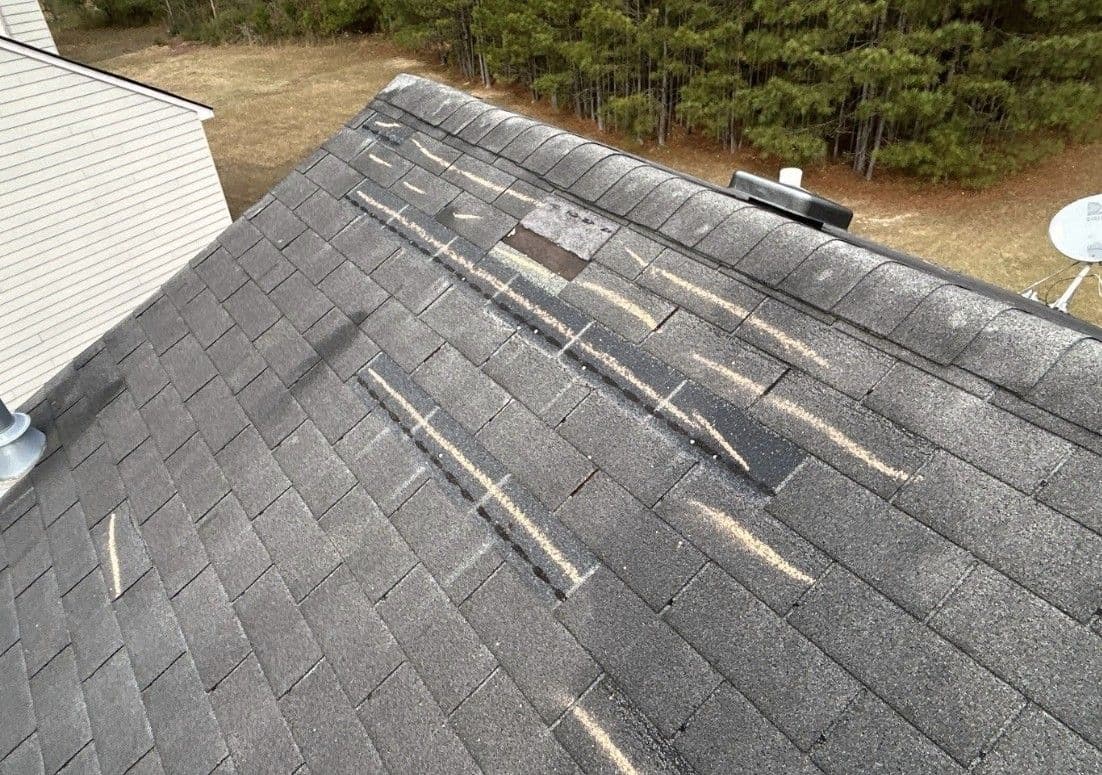
4. Wind Damage You Can’t See From the Ground
North Georgia neighborhoods frequently experience sudden wind bursts and microbursts. Even when shingles aren’t visibly missing, wind can cause:
Broken shingle seals
Creased shingles
Lifted edges
Exposed nail lines
Hidden moisture intrusion
A roof may appear “fine” from the yard but still have wind damage that shortens its lifespan or qualifies for insurance coverage.
5. Clogged Gutters and Water Backups
Homes with heavy tree coverage — especially in Roswell, East Cobb, and parts of Alpharetta — see constant gutter issues. Clogged gutters allow water to:
Back up under shingles
Saturate the fascia and soffit
Rot decking
Spill down walls and windows
Freeze in winter and add unnecessary weight
This is one of the simplest problems to prevent but causes some of the most expensive repairs when ignored.
6. Algae, Mold, and Moss Growth
Black streaks, discoloration, or moss patches are extremely common in humid Georgia neighborhoods. These growths:
Trap moisture
Loosen granules
Shorten shingle life
Make shingles brittle over time
North-facing roof slopes and shaded areas typically show algae first.
7. Poor Attic Ventilation
Incorrect or insufficient ventilation is one of the biggest contributors to early roof failure.
Signs of poor ventilation include:
Hot second-floor rooms
Musty attic smells
Excessive granule loss
Curling shingles
Damp or darkened roof decking
A poorly ventilated attic can easily take 5–10 years off a roof’s lifespan.
8. Aging Roofs Nearing the End of Their Life
Most asphalt roofs in North Georgia realistically last 15–20 years, not 25+.
Older roofs often show:
Curling shingles
Surface cracking
Exposed fiberglass mat
Multiple leak points
Soft spots in decking
Once shingles begin to dry out and lose flexibility, the roof becomes increasingly vulnerable during storms.
9. Storm Damage from Hail and Heavy Rain
Hail doesn’t need to be large to cause damage. Even small hail can bruise shingles, knock off granules, and weaken the asphalt. Heavy rain exposes every flaw in flashing and roofing materials.
Typical signs of storm damage include:
Circular impact marks
Soft bruises
Creased shingles
Shingle displacement
Water stains after storms
Insurance-qualifying damage often isn’t visible from the ground.
10. Installation Errors From Previous Contractors
Unfortunately, we see this issue constantly. Common installation problems include:
Improper nailing
Incorrect shingle alignment
Missing underlayment
Poor flashing work
Wrong shingle type for roof pitch
Shortcuts around penetrations
Bad installation can turn a 25-year roof into a 10-12-year roof.
Why These Problems Are So Common in Our Area
Homes in Marietta, Roswell, Alpharetta, and Milton experience the one thing shingles don’t like: constant environmental stress.
Heat and humidity
Cold snaps followed by warm days
Storm bursts
Wind tunnels between neighborhoods
Tree-dense communities
UV exposure amplified by Atlanta’s heat island
This combination accelerates roof wear more than in most other regions.
What You Should Do If You Suspect a Roof Problem
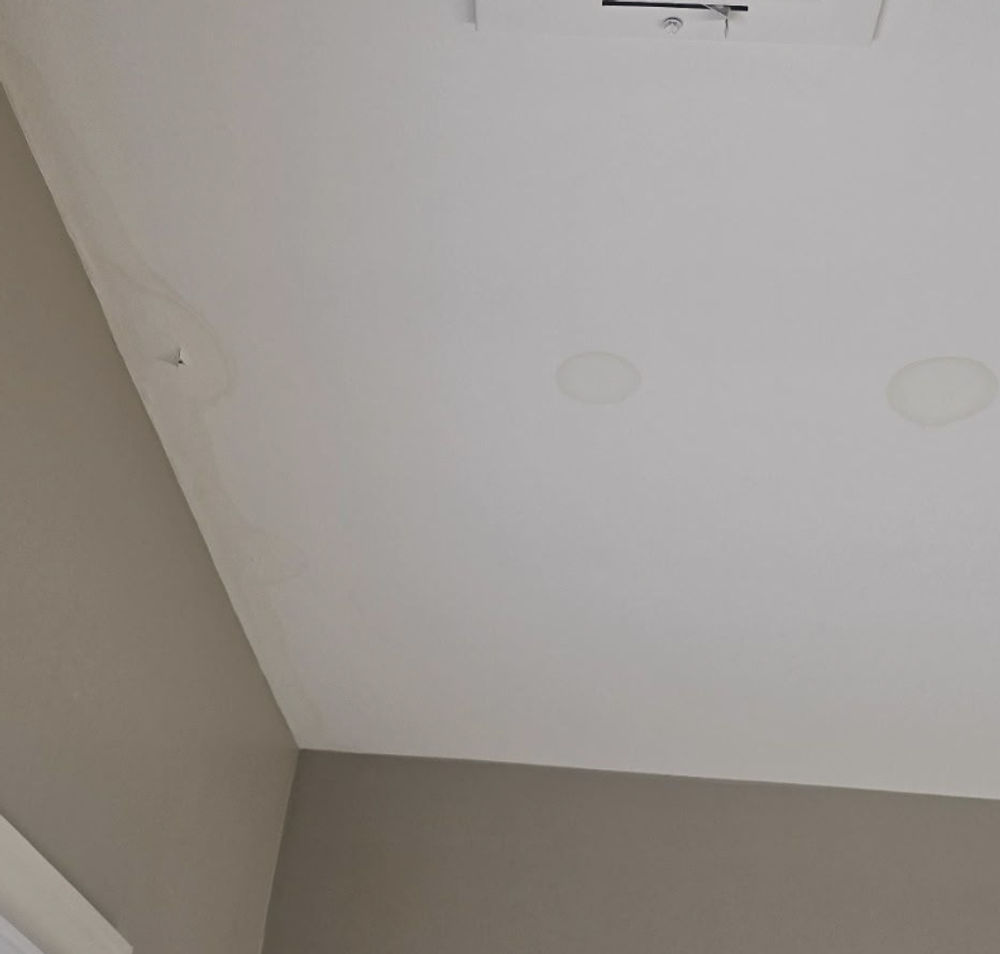
Roof problems rarely fix themselves — they grow quietly until there’s a leak.
If you notice:
Water stains
Granules in gutters
Missing shingles
Dark streaks
Improper drainage
Indoor humidity issues
It’s time to schedule an inspection.
Zenith Roofing provides free, detailed evaluations throughout Marietta, Roswell, Alpharetta & Milton, complete with photos and honest recommendations.
If you'd like us to take a look, just reach out — we’re happy to help.